
Design Directory · Shipped 2025
A living directory connecting Waterloo’s best design talent — built to showcase, discover, and hire
Timeline
Ongoing
Role
Co-Founder
Tools
Figma
Next.js & Vercel
Contributions
0 to 1 conception
Branding & Product Design
Interaction Design

The Brief
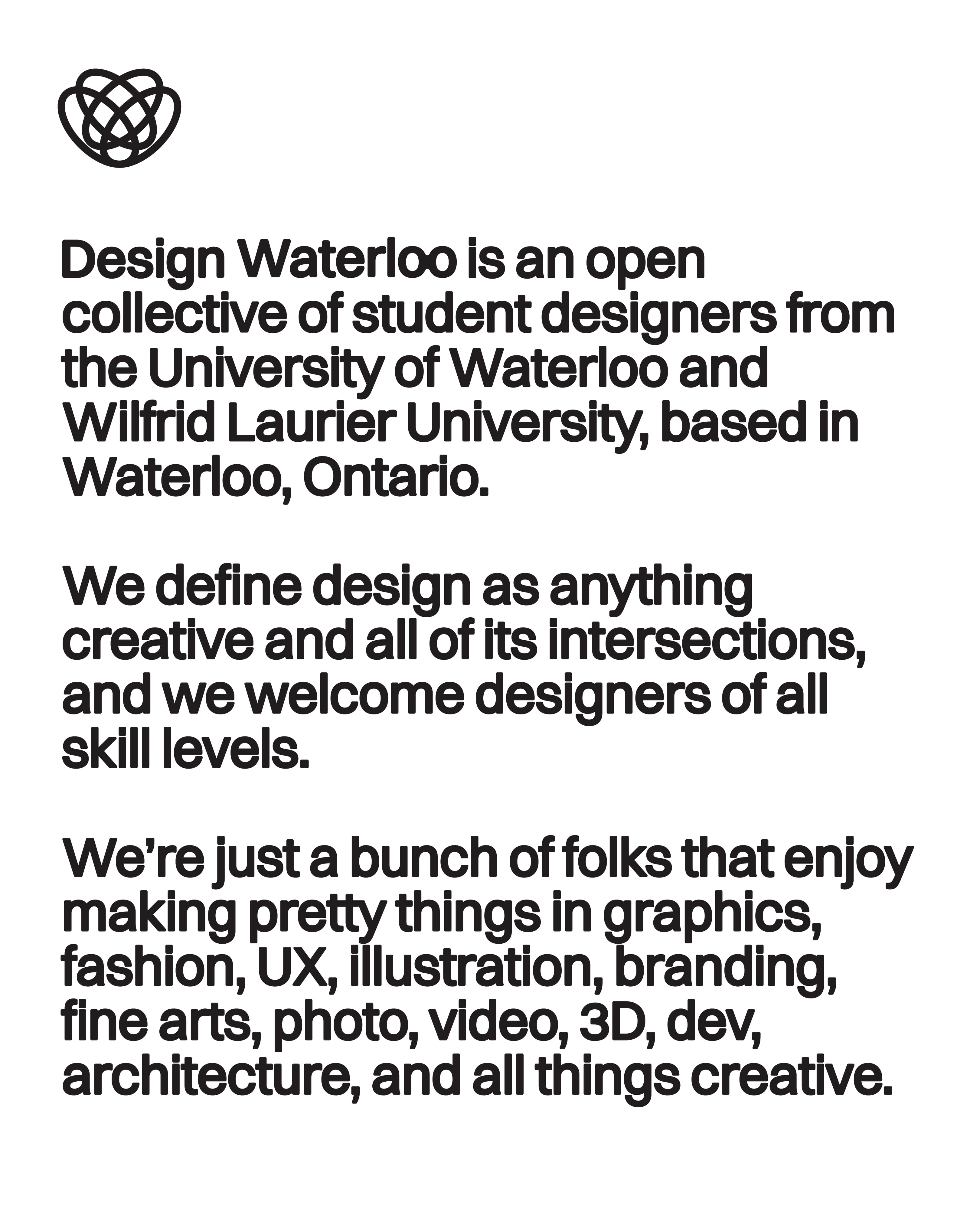
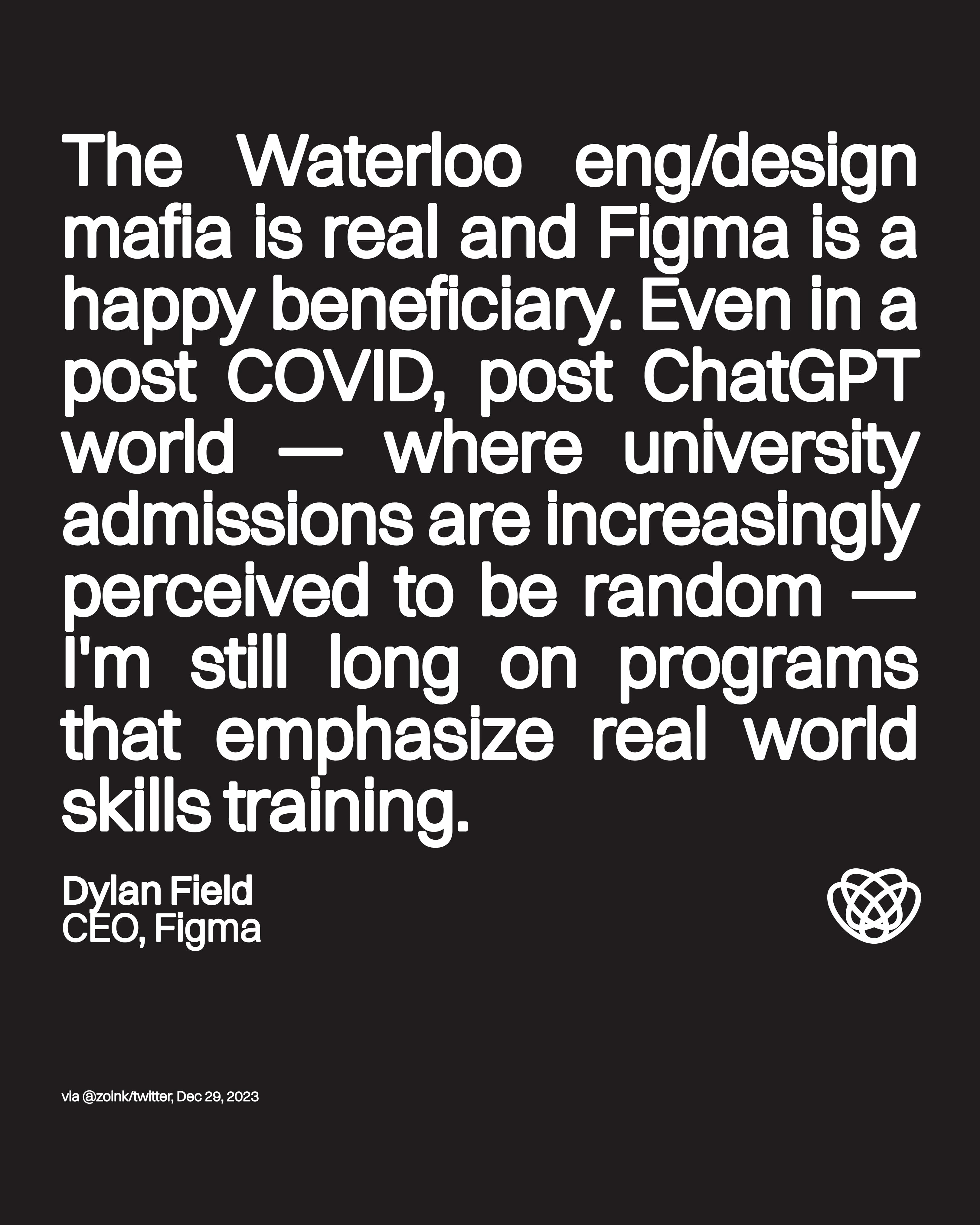
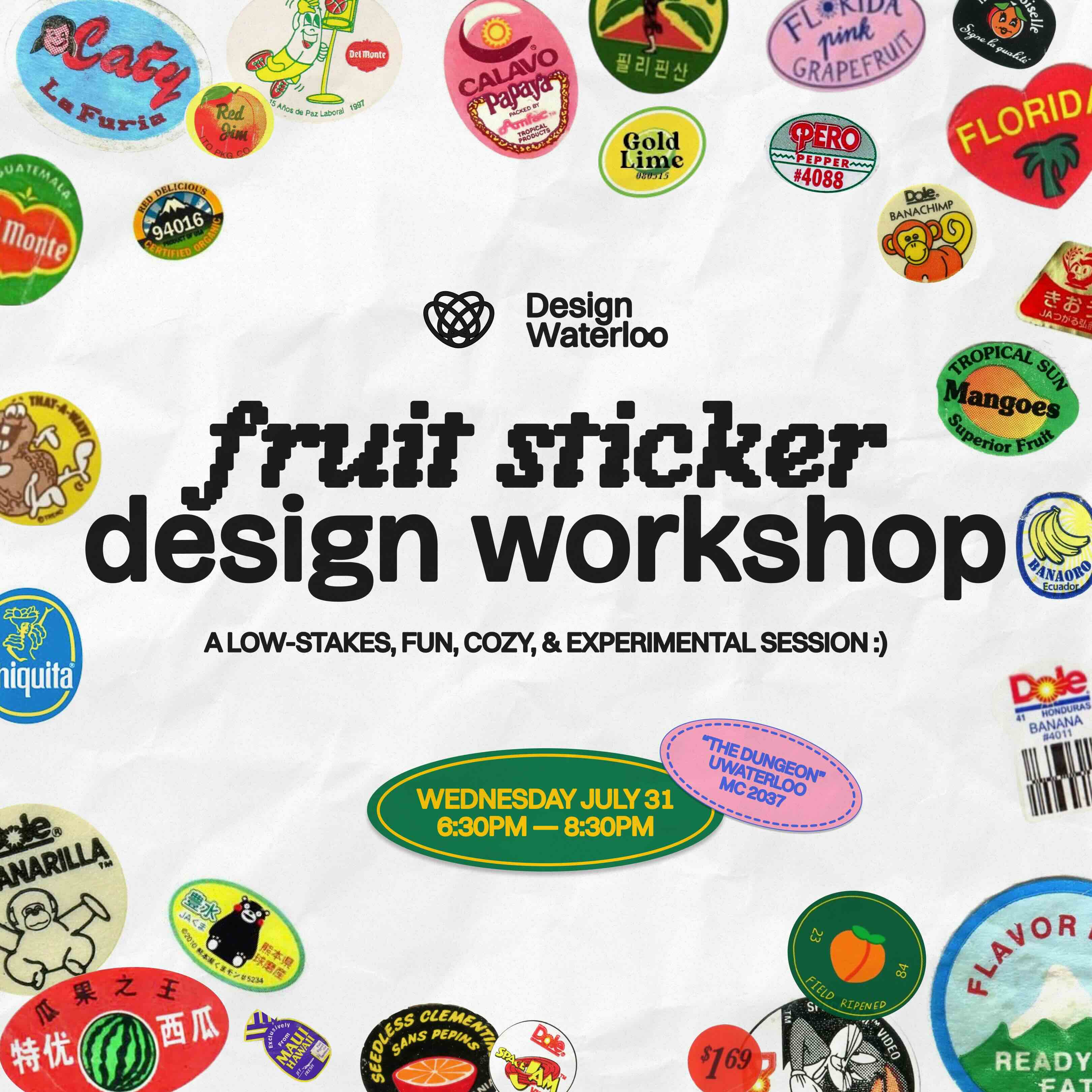
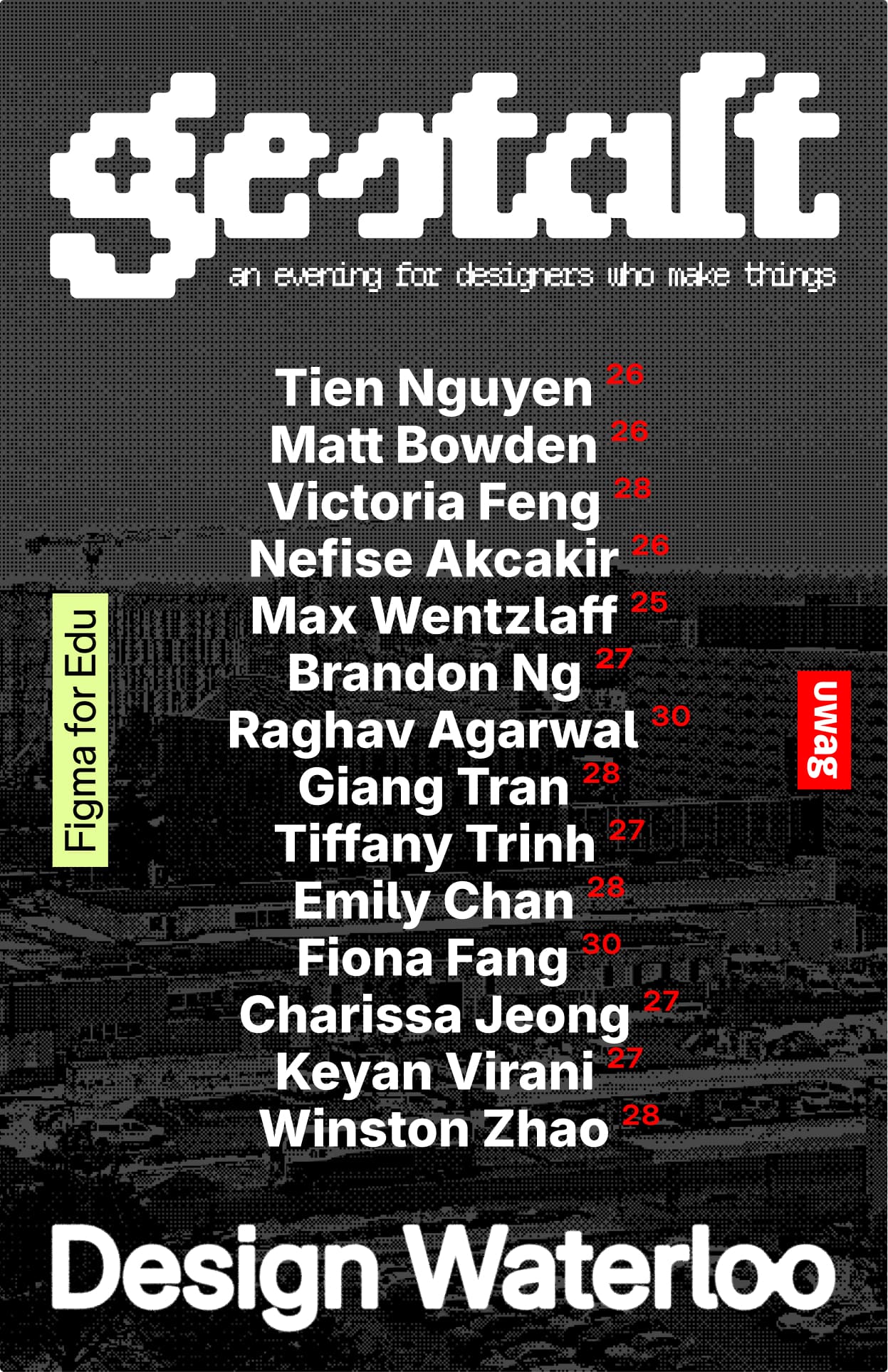
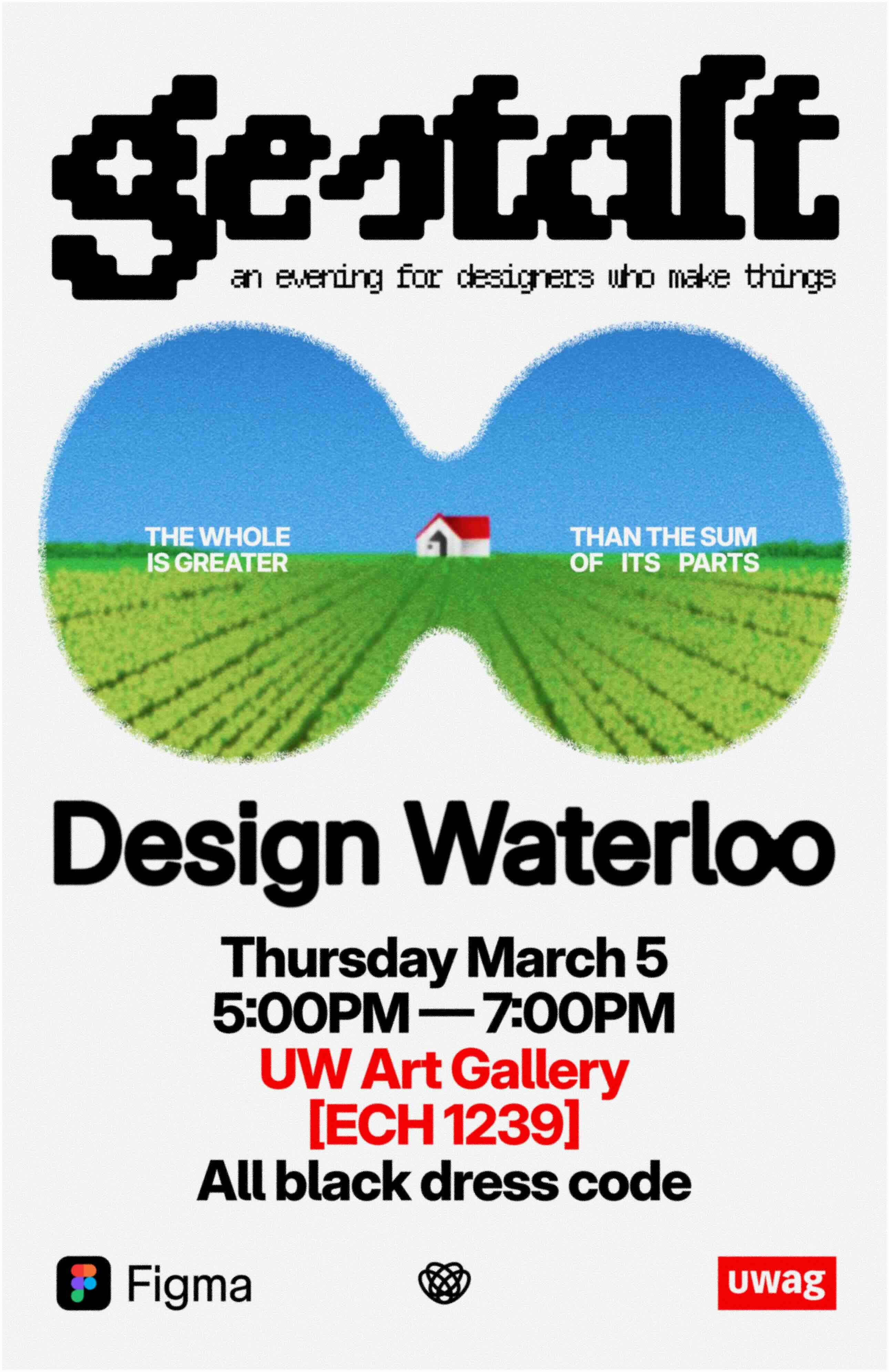
Waterloo has an incredible pool of design talent — but no central place to discover it. Recruiters struggle to find designers, and students have no shared stage to showcase their work outside of LinkedIn. Design Waterloo was born to solve this a living, searchable directory that puts Waterloo’s best design talent on the map and makes it effortless for companies to find and hire them. It's been embraced by students and recruiters alike, giving Waterloo’s design talent the visibility it deserves. It serves as a living proof point that community-driven tools, built with care, can genuinely shift how talent is discovered and connected.
The Problem
Waterloo’s design community is thriving, but invisible to the people who need to find it
01
Scattered portfolios
Student work lives across dozens of personal sites, Behance pages, and PDF links buried in Slack threads. There's no single source of truth.
02
Recruiter friction
Companies looking to hire Waterloo designers have no streamlined way to browse talent.
03
No community identity
Despite a strong design culture, Waterloo lacked a public-facing brand that showcased the depth and quality of its design community.
Community Signal
The reception from the design community
01 — The Directory
A searchable, filterable hub where every Waterloo designer has a place to shine
The core of Design Waterloo is a clean, browsable grid of designer profiles. Each card surfaces the essentials — name, discipline, graduation year, and a link to their portfolio. Visitors can filter by specialty and search by name, making it effortless for recruiters and peers to find exactly who they’re looking for.
02 — Designer Profiles
Rich profiles that let designers tell their story beyond a resume
Each designer gets a profile that highlights their best work, skills, and personality.The goal was to give every designer a mini-portfolio within the directory.
03 — Community Identity
A brand and visual language that gives Waterloo’s design scene a public face
Beyond the directory itself, Design Waterloo needed a brand identity that felt as polished as the talent it represents. Clean typography, a restrained color palette, and thoughtful motion design give the platform a professional yet approachable personality that the community can rally behind.
Sign In & Profile Editing Design Process
Giving designers ownership of their own profiles
The directory currently requires us to manually edit every designer’s page. As the community grows, even small updates, become time-consuming to manage.
To scale the directory while keeping profiles accurate, I designed a sign-in and profile editing system that allows designers to log in with their school accounts and manage their own pages.
The goal was simple: make editing your profile feel effortless, and even a little delightful!
The Problem
Manual profile updates don’t scale
Right now, every profile update goes through us. Even tiny changes — fixing a typo, updating a portfolio link, or changing a graduation year — require manual edits on our end. This created two problems:
01
High maintenance
Managing hundreds of profiles quickly becomes unsustainable.
02
Slow updates
Designers can’t immediately update their own work.
Meaning…
To support the long-term growth of the directory, profiles needed to become self-managed.
Design Goal
Make profile editing feel more like designing
Rather than routing designers to a generic settings form, the editing experience should feel creative and expressive — reflecting the same care they put into their own work.
Interaction Concept
Edit directly on the profile
Designers can update their information inline, right on their live profile page. No separate dashboard, no context-switching — just click, edit, and save.
Designing for Satisfaction
Small interactions that make editing feel good
Subtle animations, clear save confirmations, and smooth transitions turn a routine task into something that feels polished and intentional.
Sign In Entry Point
Balancing clarity and visual simplicity
The sign-in flow needed to feel effortless — a single entry point using school accounts, with no unnecessary steps or visual clutter standing between designers and their profiles.
Design Goal
Make profile editing feel more like designing
Rather than routing designers to a generic settings form, the editing experience should feel creative and expressive — reflecting the same care they put into their own work.
Interaction Concept
Edit directly on the profile
Designers can update their information inline, right on their live profile page. No separate dashboard, no context-switching — just click, edit, and save.
Designing for Satisfaction
Small interactions that make editing feel good
Subtle animations, clear save confirmations, and smooth transitions turn a routine task into something that feels polished and intentional.
Sign In Entry Point
Balancing clarity and visual simplicity
The sign-in flow needed to feel effortless — a single entry point using school accounts, with no unnecessary steps or visual clutter standing between designers and their profiles.
Design Goals
Discoverability first
Every design decision optimized for helping visitors find the right designer as quickly as possible — search, filters, and scannable cards.
Let the work speak
Minimal chrome, generous whitespace, and a neutral palette so that designers' portfolios and projects take center stage.
Community over competition
Frame the directory as a collective showcase, not a ranking. The design language celebrates the community as a whole.
The Outcome
Shipped and live — putting Waterloo design on the map
Design Waterloo launched as the first dedicated design directory for the University of Waterloo community. The platform has been embraced by students and recruiters alike, giving Waterloo’s design talent the visibility it deserves. It serves as a living proof point that community-driven tools, built with care, can genuinely shift how talent is discovered and connected.
Continuous Learnings
Ship the simplest version that solves the core need.
Early versions had elaborate profile features and social elements. Stripping back to a clean directory with solid search and filtering solved 90% of the problem. The community didn’t need another social network — they needed a stage.
Brand is a multiplier for adoption.
Investing in a strong visual identity upfront meant the directory felt “real” from day one. Designers were proud to be listed because the platform itself reflected the quality bar they hold for their own work.
Build for the community, with the community.
Sharing early prototypes with Waterloo designers and iterating on their feedback ensured the final product reflected what the community actually needed — not just what looked good in a pitch deck.