Designathon 2024 · 1st Place
Building a social platform that encourages authentic interactions and deeper relationships in a convenient & stress-free manner
Timeline
March 2024
(40 hours)
Team
2 Researchers
2 Designers
Org
UXplorer 2024 Designathon
1st Place
Key Features
Interest-based matching
Privacy focused design
Meaningful conversation starters
The Brief
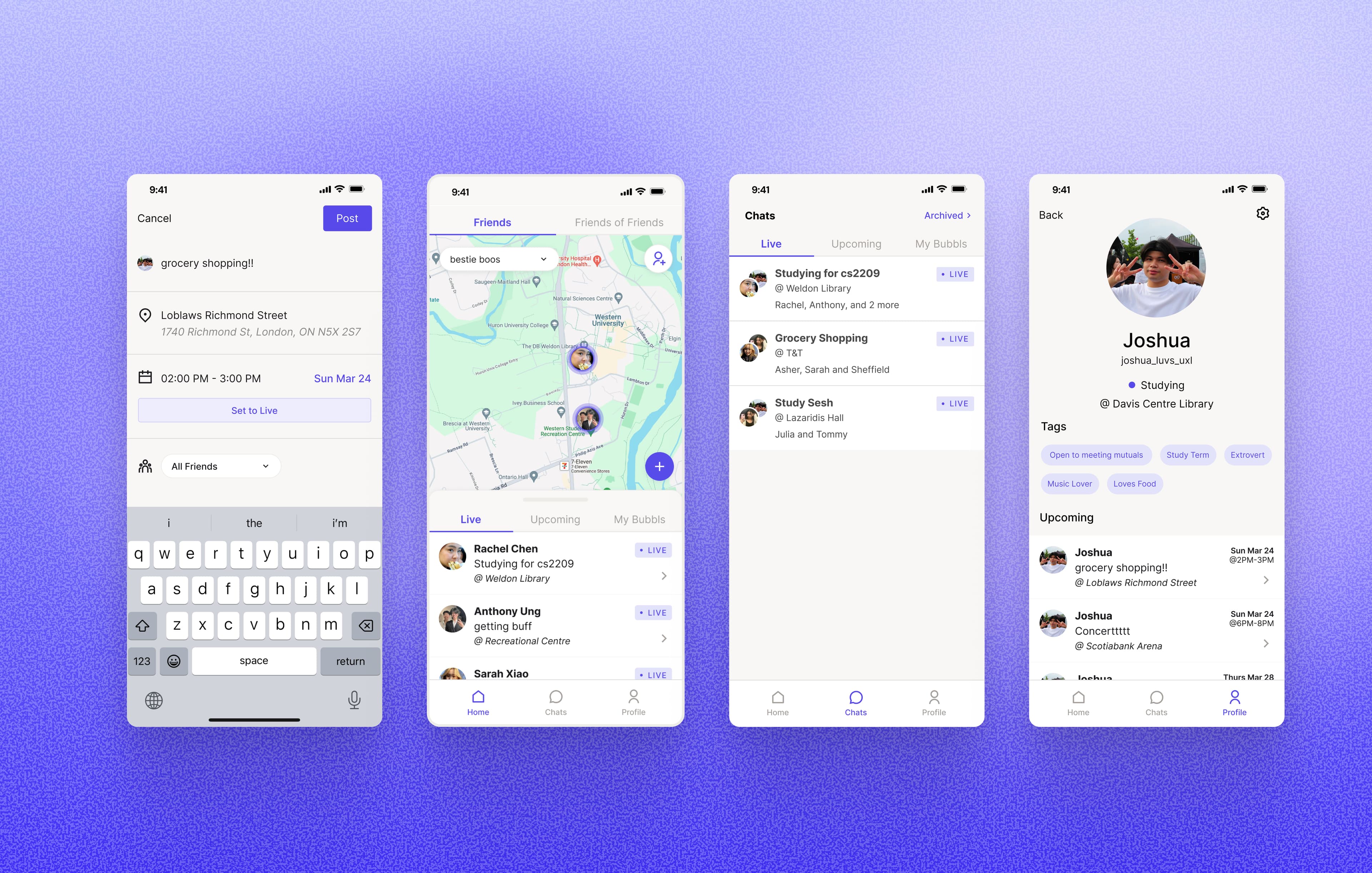
In an era dominated by digital interactions, many of us crave something simpler: real, in-person connection. During a 40-hour designathon, my friends and I asked ourselves: How might we use elements of everyday life to make bonding and planning time together easier? The result was Bubbl — a social app designed to make spontaneous meetups feel as easy and natural as sending a text.
The Spark ✨
No existing app can help naturally facilitate connection, while maintaining them
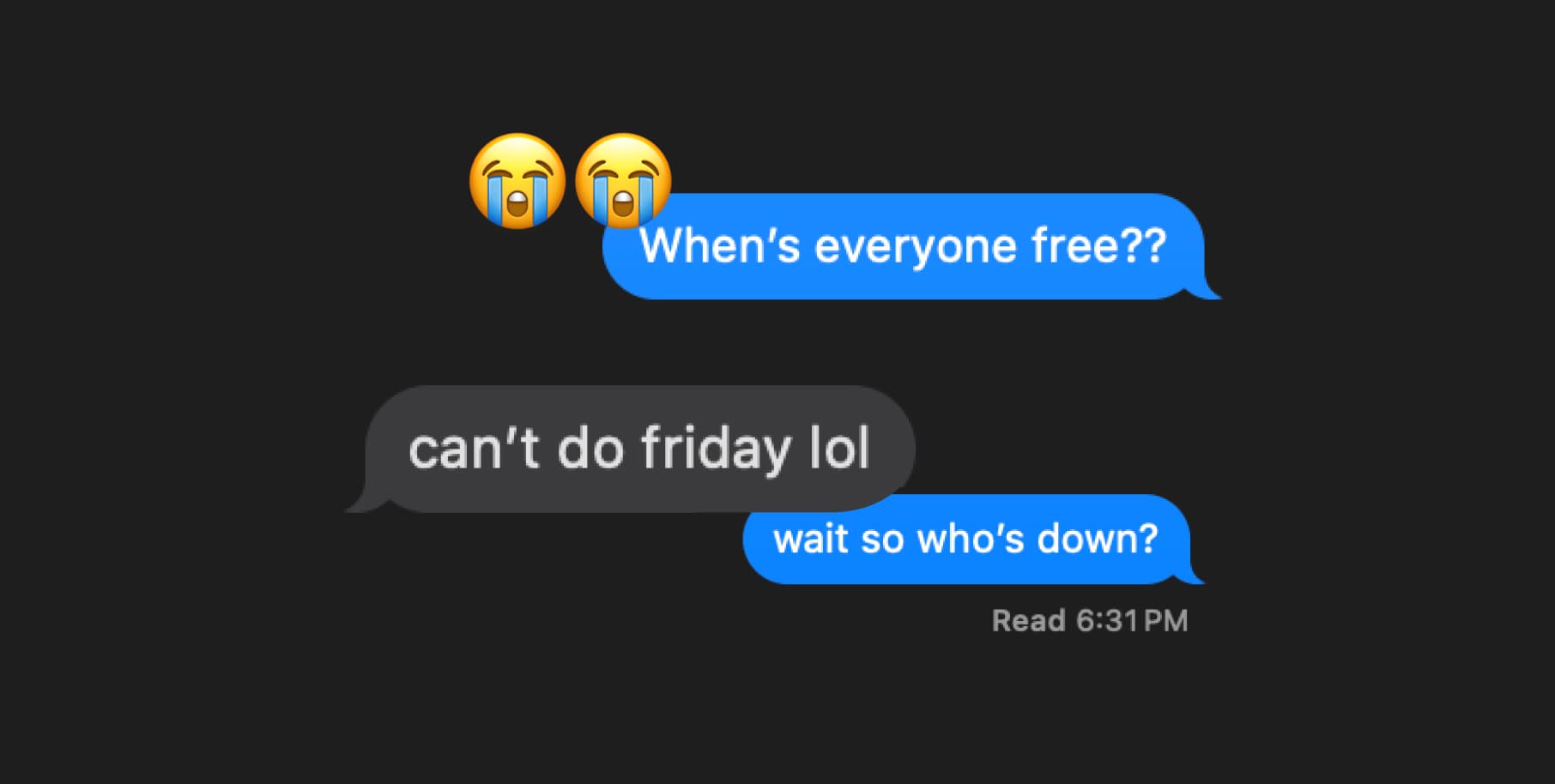
We all feel the awkward “let’s hang soon” that never happens. When we spoke to users, we heard the same pattern: “We all want to hang out, but scheduling just kills the natural flow of connection.” Most event-planning tools (like Google Calendar or Doodle) are too formal. Messaging apps are too messy. People wanted something lightweight, a way to say yes without overcommitting.
This insight shaped Bubbl: an app that bridges the gap between intention and action.
My Role
Designer and idea pioneer
- Conducted research, translating that to core flows
- Designed wireframes, visual system, and high-fidelity prototype in Figma
- Led usability testing and implemented refinements
- Made sure every idea was explored given time constraint (good and bad), to ensure we dove deep into the problem space and targeted real pain points
Research & Insights
There’s no single cause hindering people from making genuine friends
12 interviews + 30 surveys with Gen Z of varying backgrounds uncovered loneliness drivers and friction in social planning. Informing how Bubbl can support deeper, more natural connections.
The Problem
01
Conflicting schedules
People juggle classes, work, and commutes everyday. There’s just no time left to make worthwhile plans.
02
Fear of flaking
Users often avoid initiating plans to protect themselves from the guilt of canceling later. As schedules get busier, the social cost of flaking increases, while fear of rejection and low confidence make reaching out feel emotionally risky.
03
Regular interactions needed
Many need consistent, low pressure interactions over time to naturally deepen relationships. One off hangouts don’t build closeness on their own, relationships grow through repeated, casual touchpoints that feel organic rather than forced.
04
Too much effort needed
Too much effort and time required to plan hangouts.
01
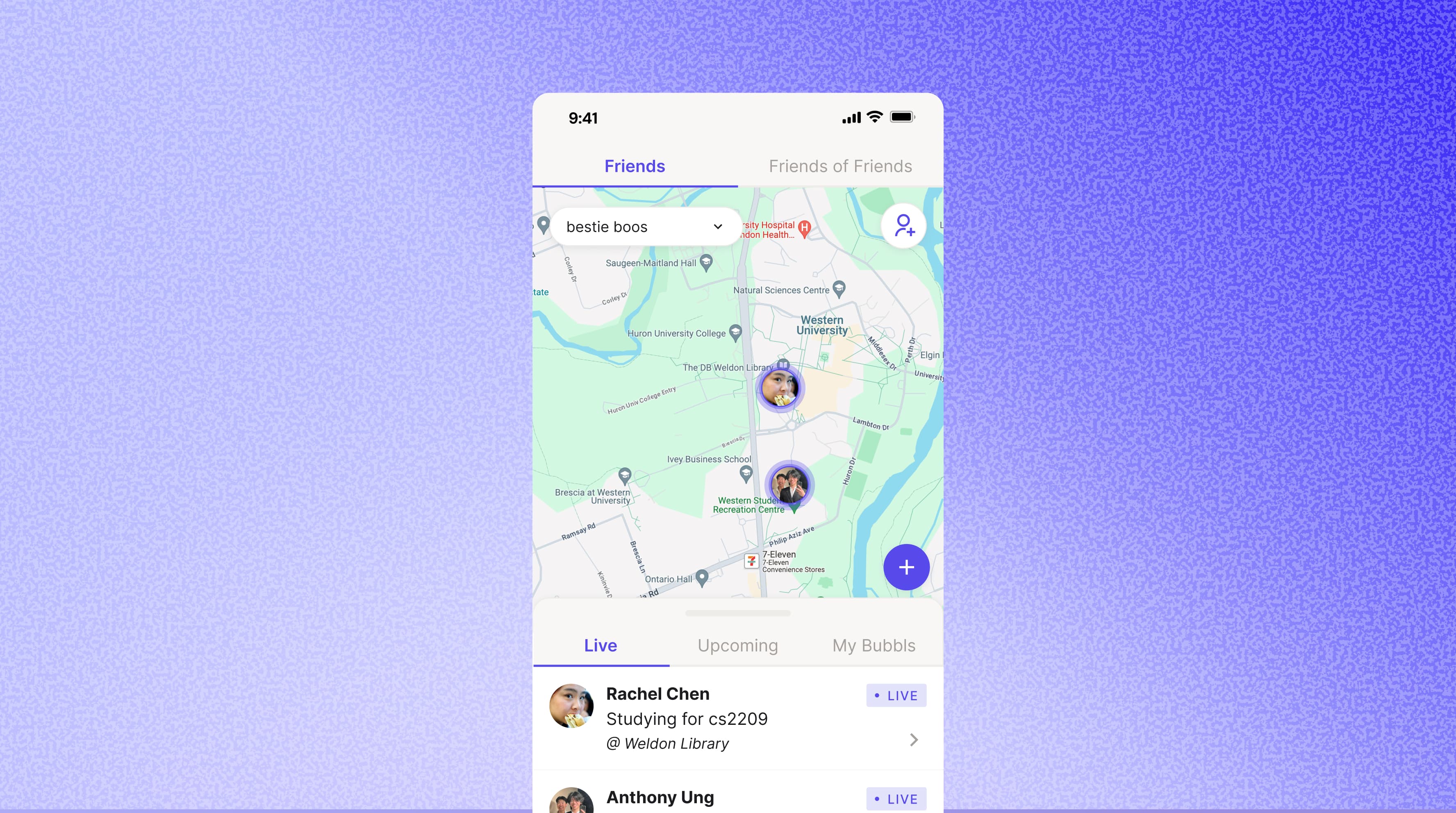
Design for everyday proximity, not special occasions.
When people meet in their natural habitats, shared context sparks easier conversation and deeper connection. Making in-person plans lightweight and routine-based helps friendships form without the burden of extra scheduling.
02
Open invite structure and soft commitments reduces feelings of targeted rejection, anxiety and social pressure.
There’s much social stress of being rejected and confidence needed. People don’t need another calendar invite, they need a low-stakes way to say “I’m down if you are.”
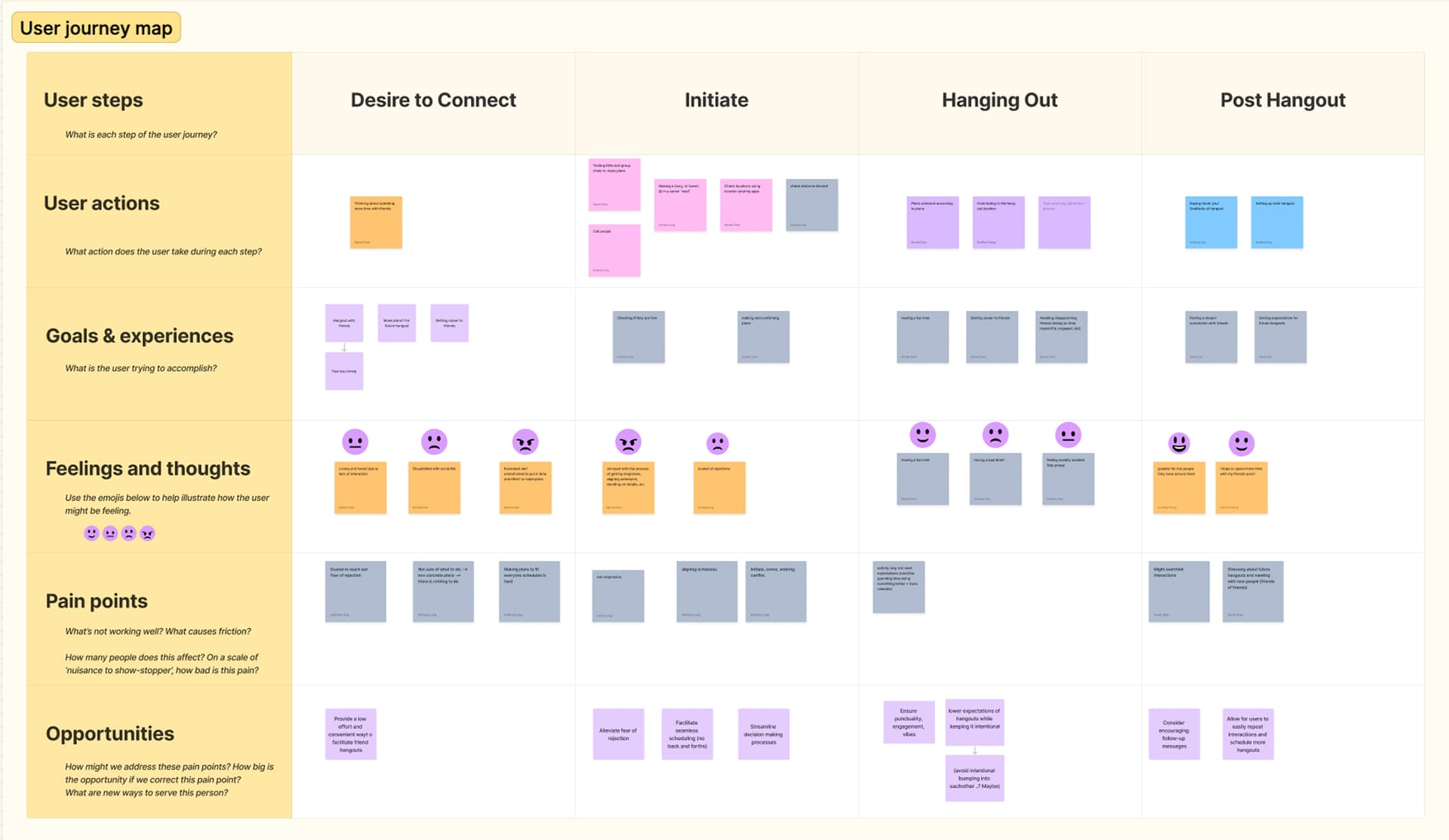
This targets the biggest hurdle discovered in the user journey map
The process of connecting with a (new) friend: desire to connect → Initiate the Hang Out → getting past the high barrier to hanging out → Hanging Out → Post Hangout
03
Focus on satisfying in-person interactions, in mutual third places to help maintain regular with minimal online distractions.
Most friendships don’t start with big, intentional plans—they start from running into the same people at work, school, or familiar spots. Seeing someone over and over lowers the barrier to connection, and those small moments stack up until an acquaintance naturally becomes a friend. Keeping those in person interactions going is what actually deepens the relationship.
Using a well-proven social framework
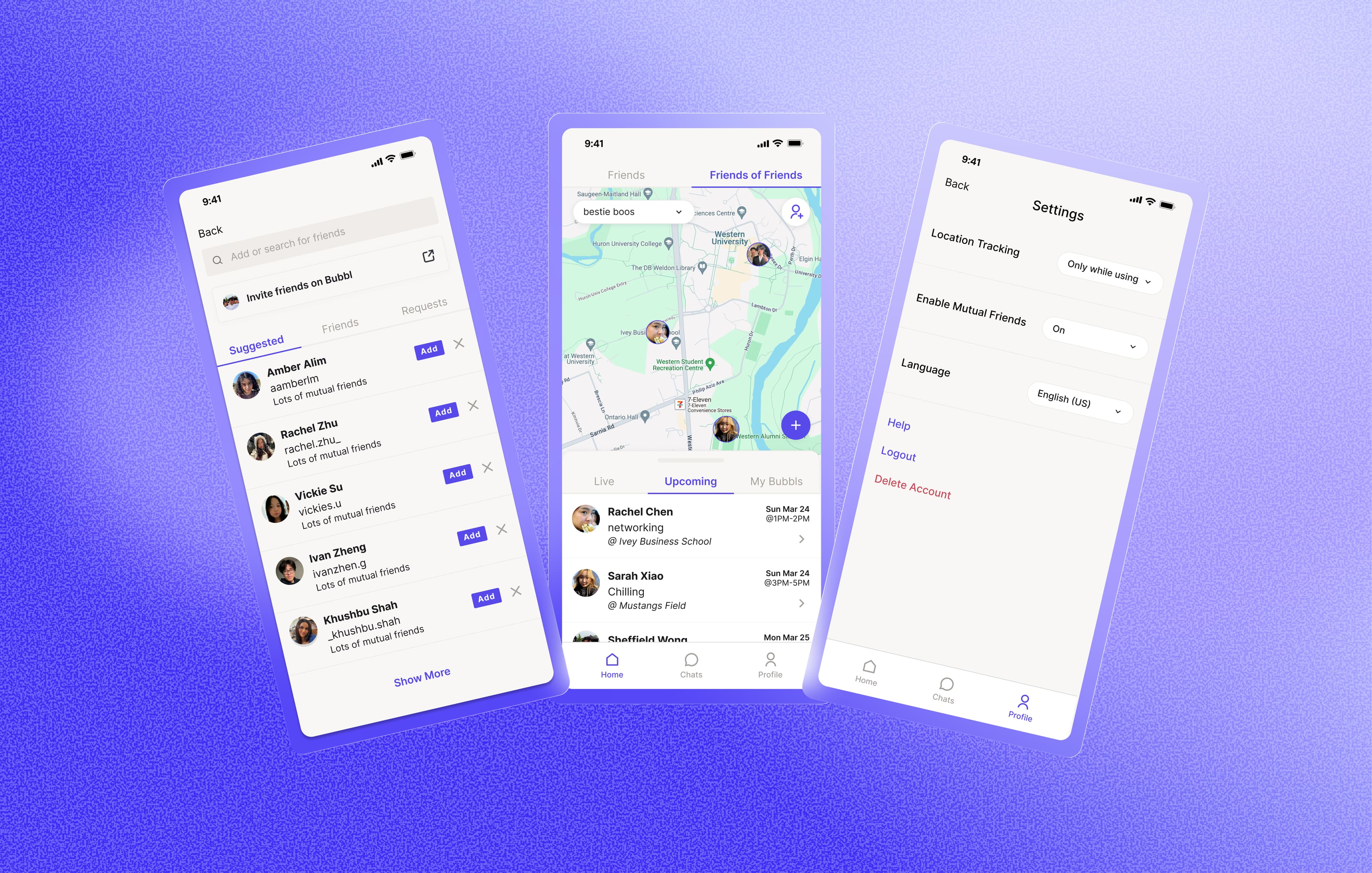
Friends of Friends
Drawing inspiration from BeReal’s lightweight, authentic social framework we identified the need for a repeatable friend-making framework that encourages ongoing, low-friction interactions. This is crucial for helping users continuously form new connections and make better use of their existing social networks.
04
Save time with easy invites and eliminating back-and-forth messaging.
Too much effort and time required to plan hangouts. In general, there are too many apps, which makes all the tools and process feel disjointed.
Before
a) Location tracking apps can help facilitate social interaction, but that’s not their main goal.

Life 360

Find My
b) Messaging apps require high effort to initiate a hang out, thus creating a high barrier.


Messages
Design Goals
Effortless planning
Remove the friction of scheduling
Encourage spontaneity
Make casual hangouts easy to spark.
Balance privacy & visibility
Let users control what others see.
Bubbl Aims To
Seamlessly implement opportunities to spend more time with others through joint daily activities, Bubbl fosters connection and builds relationships in a convenient and stress-free manner.
The Outcome
Got feedback on Bubbl from leading industry designers
We won 1st place and was a nominee for Best Pitch! A super fun experience, even with lack of sleep zzzz
Learnings from this Designathon
Design With Social Context in Mind.
Mapping real-world social dynamics (like friends-of-friends and warm introductions) early in the design process helped us create concepts that felt socially safe and grounded in how people actually form connections.
Idea exploration is key.
Taking time to explore multiple concepts and interaction models revealed what actually fulfilled user needs and surfaced unexpected opportunities. Iteration helped us avoid premature solutions and design toward real user gain points.
Constraints Spark Better Design
Working within real world constraints (busy schedules, low attention, social fatigue) pushed us to simplify flows and prioritize what truly mattered. Designing with constraints in mind helped us create more focused, lightweight experiences instead of overcomplicated solutions.